
Greywater Recycling Systems Plumbing Services in Burdine, KY
Burdine Greywater Recycling Systems Professionals ready now in Letcher County
Greywater Recycling Systems provides a sustainable plumbing service that designs and installs systems to capture, filter, and reuse water from showers, sinks, and laundry for non-potable applications such as irrigation and toilet flushing. This environmentally conscious approach reduces water consumption, lowers utility costs, and advances sustainability goals. Proper installation ensures compliance with local regulations and optimal performance
We provide top notch Plumbing services throughout Letcher County. Whether you need help with Greywater Recycling Systems or other issues, our Professionals is ready.

Plumbing Services in Burdine, KY
Appliances
Installing dishwashing machines, hot water heater (tank and tankless), waste disposal unit, and washing devices.
Backflow Testing and Prevention
Guaranteeing backflow avoidance devices are working properly.
Bathroom and Kitchen Remodeling
Relocating or updating plumbing systems.
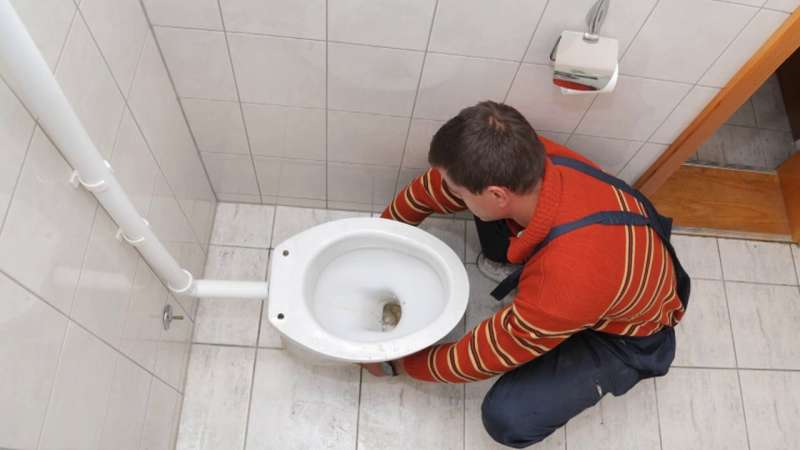
Building Code Compliance
Guaranteeing plumbing systems satisfy local policies.
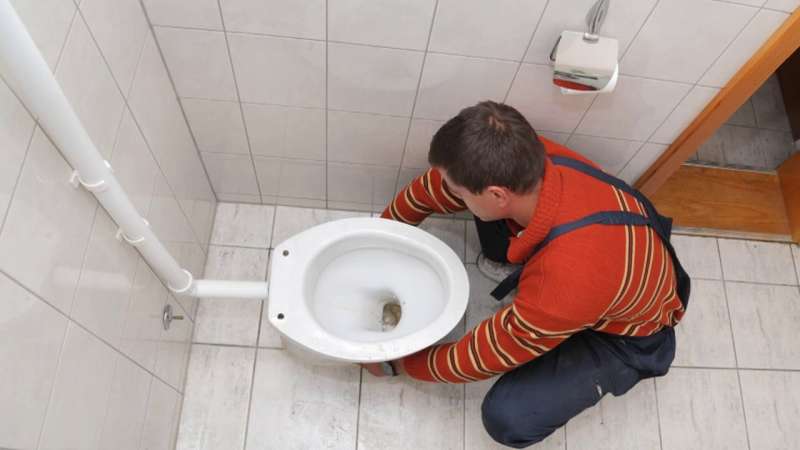
Burst Pipes
Immediate action to prevent flooding and water damage.
Clogged Drains
Clearing blockages in sinks, toilets, showers, and drain lines.
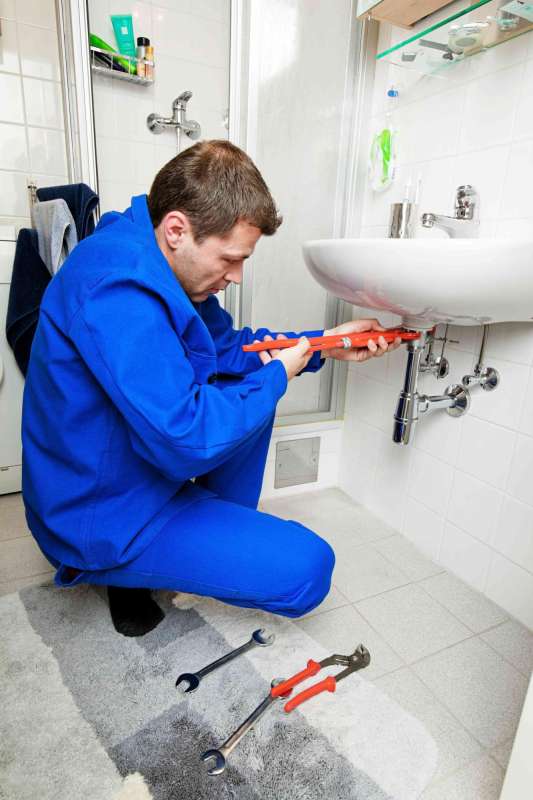
Drain Cleaning
Routine cleansing to prevent obstructions and preserve flow.
Fixture Repairs
Repairing malfunctioning faucets, toilets, and other components.
Fixtures
Installation of sinks, faucets, toilets, bath tubs, and showers.
Gas Leaks
Emergency detection and repair to prevent threats.
Gas Line Repairs
Repairing gas leaks and guaranteeing proper gas line functioning.
Greywater Recycling Systems
Setting up systems for recycling family wastewater.
Hydronic Heating
Setting up and maintaining radiant floor heating systems.
Industrial Pipework
Specialized piping for factories or industrial settings.
Irrigation Systems
Setting up and maintaining outdoor watering.
Large-scale Installations
Plumbing systems for brand-new buildings or restorations.
Leak Detection and Repair
Repairing leaks in pipes, faucets, toilets, and appliances.
Overflowing Toilets
Quick resolution of extreme clogs and overflows.
Pipe Inspections
Utilizing electronic cameras to inspect pipes for damage or clogs.
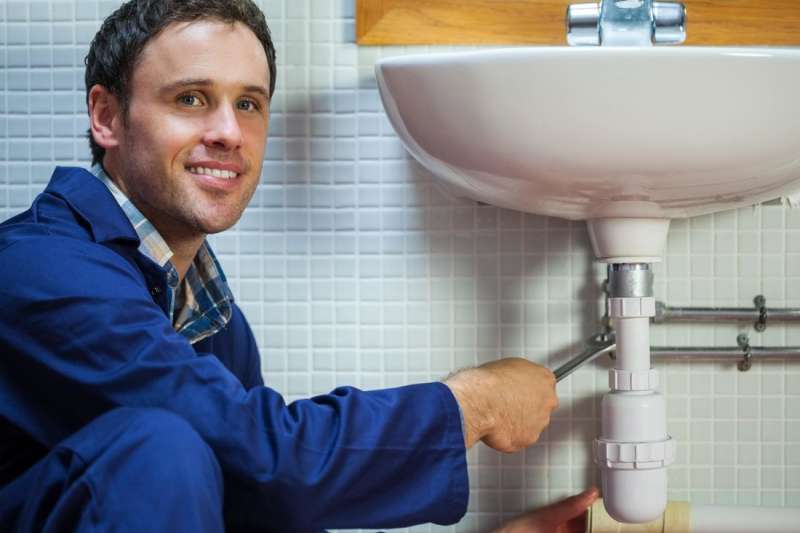
Pipe Repairs
Repairing or replacing burst, rusted, or damaged pipelines.
Pipes and Fittings
Setting up brand-new piping systems for water, gas, and drainage.
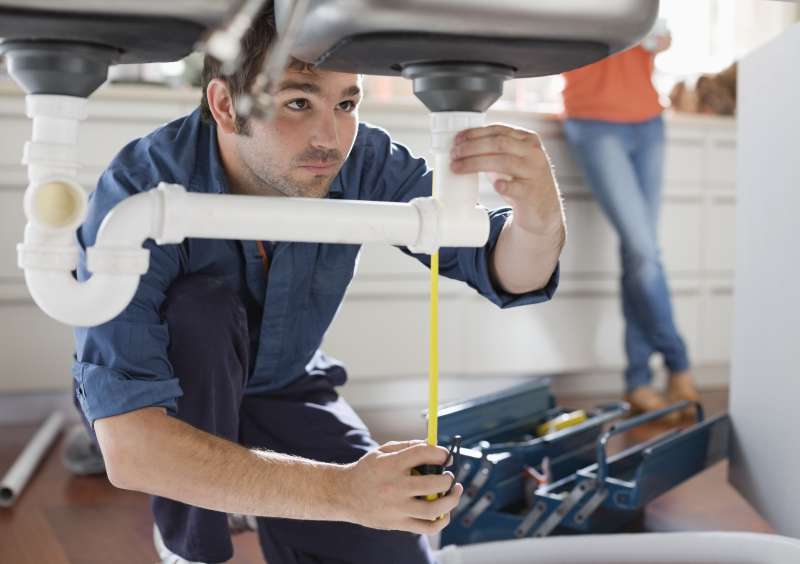
Pre-Purchase Inspections
Examining plumbing systems before buying home.
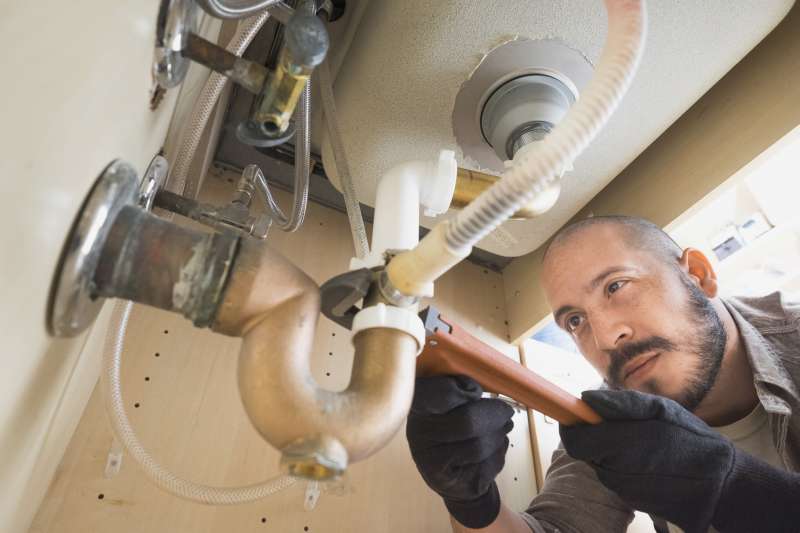
Rainwater Harvesting Systems
Installing systems to collect and utilize rainwater.
Regular Maintenance Contracts
Ongoing maintenance services for businesses.
Septic System Services
Putting up, repairing, and preserving septic tanks.
Sump Pump Installation and Repair
Handling groundwater in basements.
Upgrading Fixtures
Installing water-efficient or modern components.
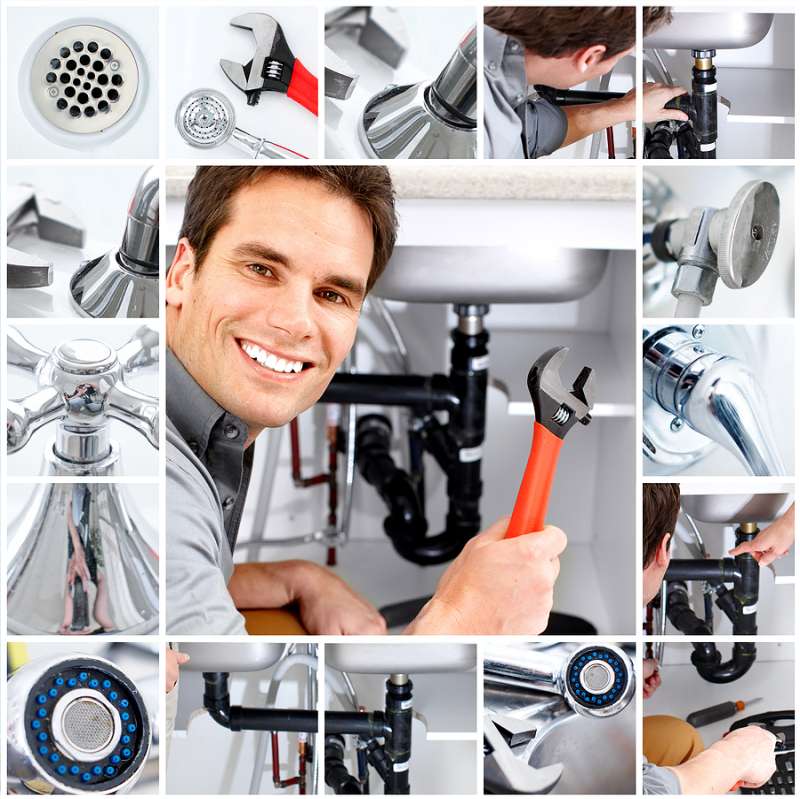
Water Efficiency Consulting
Recommending on water-saving techniques and items.
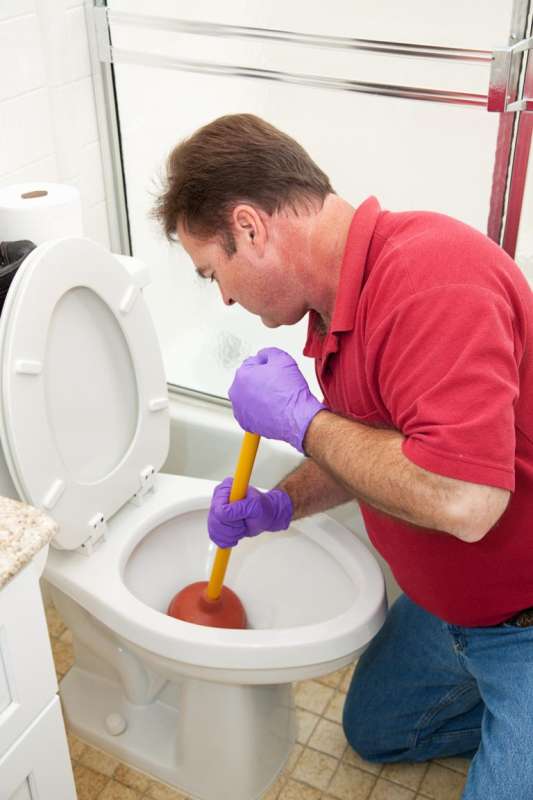
Water Filtration Systems
Installing water conditioners and filtration systems.
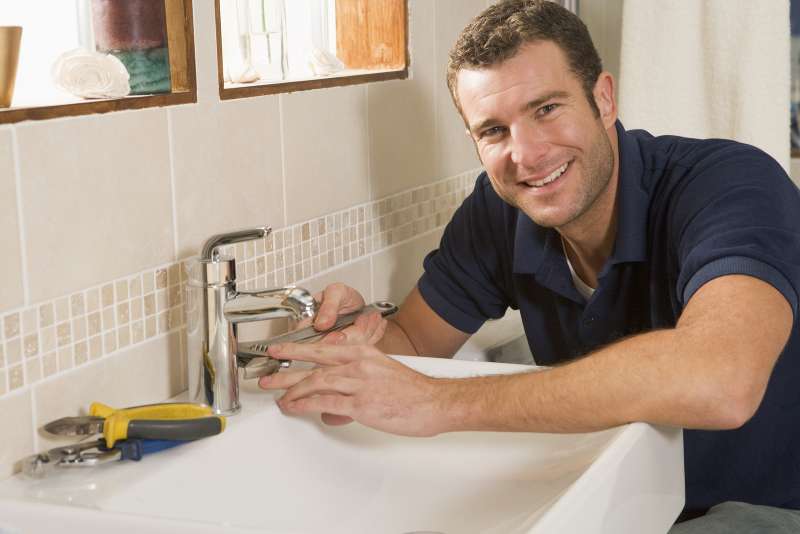
Water Heater Maintenance
Flushing and checking water heaters to lengthen life expectancy.
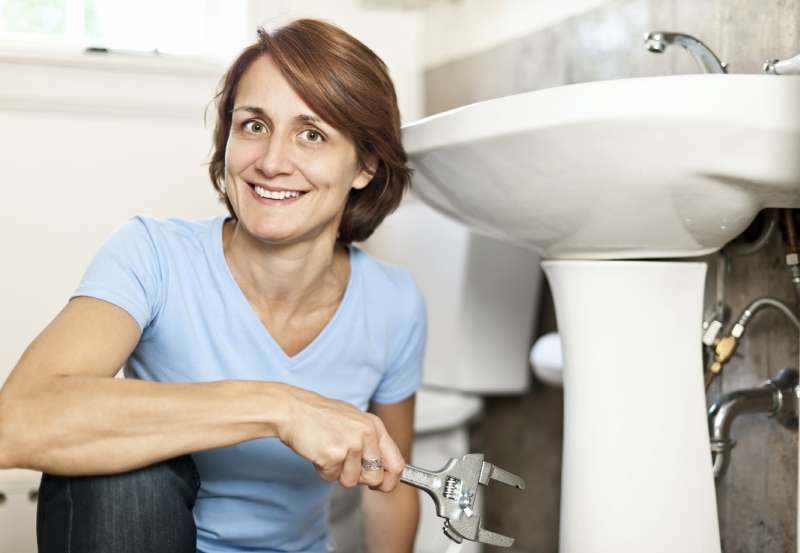
Water Heater Repair
Resolving concerns with temperature, leaks, or failure to heat water.
Waterproofing
Securing basements or other areas from water invasion.
Sewer Backups
Immediate attention to prevent contamination and health dangers.